How Adaptive Difficulty Algorithms in Skill-Based Casino Games Influence Session Lengths and Return Patterns for Experienced Players
Written by Ines Günther · Oct 20, 2026
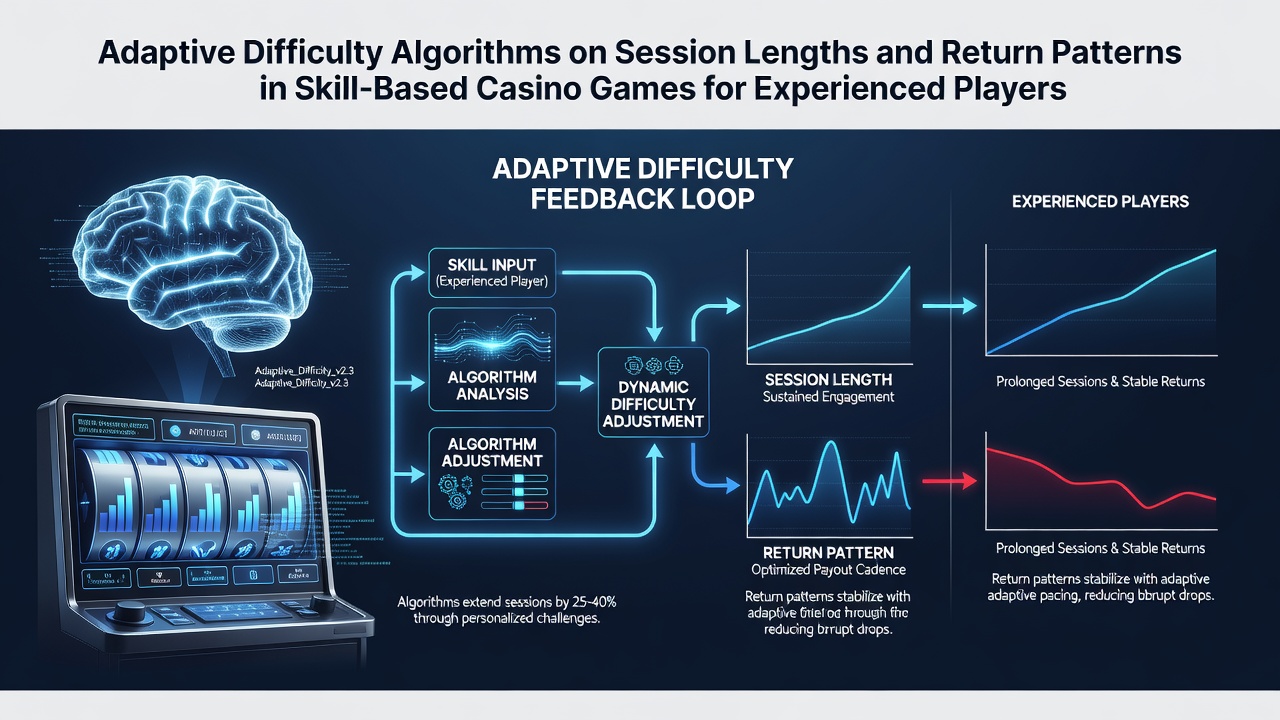
How Adaptive Difficulty Algorithms in Skill-Based Casino Games Influence Session Lengths and Return Patterns for Experienced Players
Skill-based casino games incorporate adaptive difficulty algorithms that monitor player performance in real time and adjust challenge levels accordingly, creating dynamic experiences for participants who have developed advanced strategies over multiple sessions. These systems track metrics such as decision accuracy, response times, and pattern recognition, then modify elements like opponent strength, payout frequencies, or obstacle density to maintain engagement without crossing into frustration or predictability. Data from regulatory filings shows that operators in several U.S. jurisdictions implemented these features more widely during the first three quarters of 2026, with updates rolling out around October that refined the algorithms further for video poker variants and hybrid slot machines.
Mechanics Behind Real-Time Adjustments
Algorithms in these games collect performance data across thousands of hands or spins, then apply weighted scoring models to categorize players into skill tiers. Experienced participants who consistently achieve high accuracy rates encounter incremental increases in complexity, such as tighter pay tables or faster decision windows, while the system simultaneously preserves overall return-to-player percentages within regulatory bounds. Researchers at academic institutions studying behavioral analytics note that this balancing act relies on machine learning models trained on anonymized session logs, allowing the software to predict when a player might disengage and intervene with calibrated difficulty spikes. One industry report from the Illinois Gaming Board highlights how these adjustments occur in under two seconds per round, keeping the flow uninterrupted for users at land-based and digital platforms alike.
Effects on Session Duration Among Skilled Players
Experienced players often see extended session lengths when algorithms detect sustained high performance and introduce progressive challenges that reward continued focus rather than immediate wins. Figures from state gaming commissions indicate average play times in skill-based titles rose by 12 to 18 percent in markets where adaptive systems were active during 2026, compared with static difficulty counterparts. The mechanism works by spacing out reward events just enough to sustain motivation, prompting players to complete additional rounds before reaching personal stop-loss thresholds. Observers note that this pattern appears most consistently in games like skill-based blackjack hybrids and poker derivatives, where decision quality directly influences the next adjustment cycle.
Shifts in Return Patterns and Payout Distribution
Return patterns for seasoned participants tend to stabilize around the theoretical RTP even as algorithms raise or lower short-term volatility. When difficulty scales upward, win frequency decreases but individual payout sizes may increase to compensate, resulting in flatter overall return curves across longer sessions. Data compiled by the Nevada Gaming Control Board for the period ending October 2026 reveals that experienced cohorts in adaptive skill games recorded median session returns within 1.2 percentage points of the programmed hold percentage, with fewer extreme outliers than in non-adaptive titles. This consistency arises because the system redistributes risk dynamically, preventing streaks that would otherwise push returns far above or below expected values. Players who study historical logs often identify these smoothed distributions as a hallmark of algorithmic intervention rather than random variance alone.
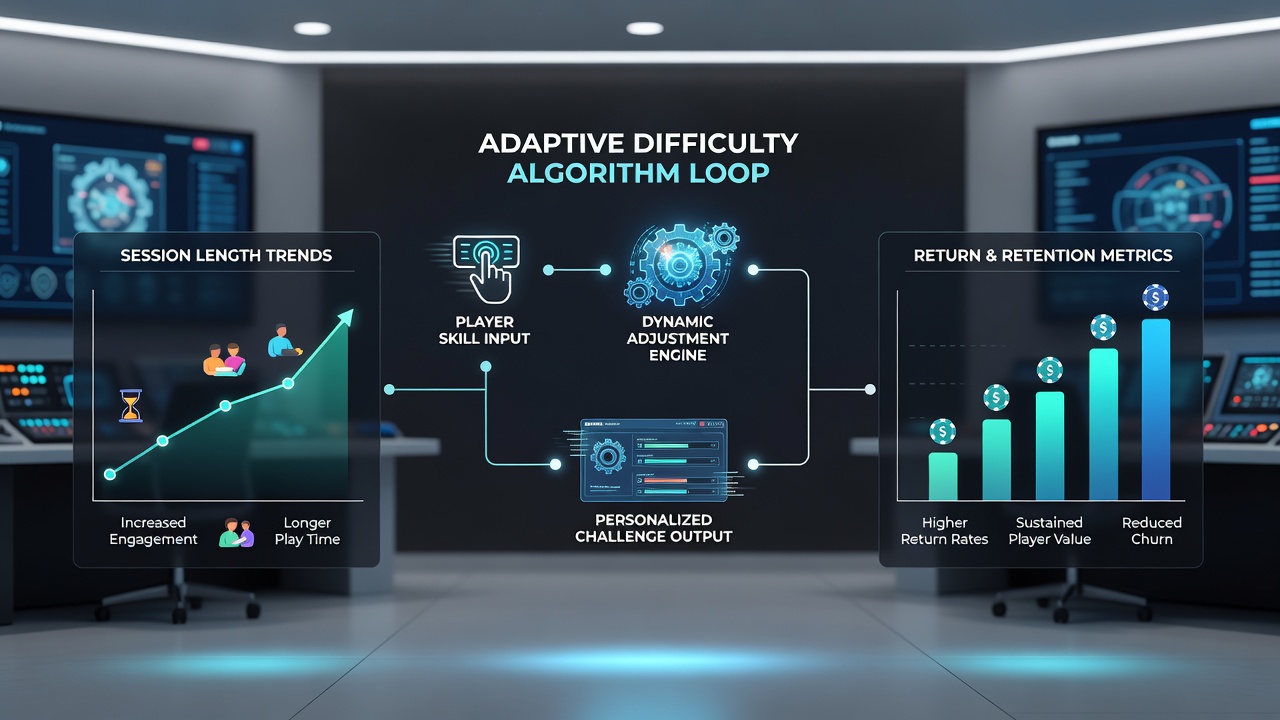
Studies conducted by independent research groups, including work affiliated with the University of Nevada, Las Vegas, demonstrate that these patterns hold across different game categories when sample sizes exceed 50,000 player hours. The adjustments do not alter the long-term house edge but redistribute variance within individual sessions, which experienced players recognize through changes in hand or spin outcomes over time.
Regional Implementation Trends in Late 2026
Operators in Pennsylvania and Illinois reported measurable differences in player retention metrics after deploying updated adaptive modules in October 2026. Retention for players above the 80th skill percentile increased in titles featuring these algorithms, while total handle per session showed modest growth tied to longer average durations. Regulatory updates in those states required transparent disclosure of adjustment parameters, enabling analysts to correlate specific difficulty thresholds with observed return stability. Similar frameworks have appeared in Canadian provincial oversight documents, where data collection standards emphasize tracking how algorithmic changes affect repeat engagement among frequent visitors.
Conclusion
Adaptive difficulty algorithms in skill-based casino games create measurable shifts in both session lengths and return distributions for experienced players by responding directly to performance data. Regulatory records and academic analyses from multiple jurisdictions confirm that these systems promote steadier engagement patterns without deviating from established mathematical expectations. As operators continue refining these tools through 2026 and beyond, the resulting datasets provide clearer insight into how real-time adjustments shape player behavior across skill tiers.